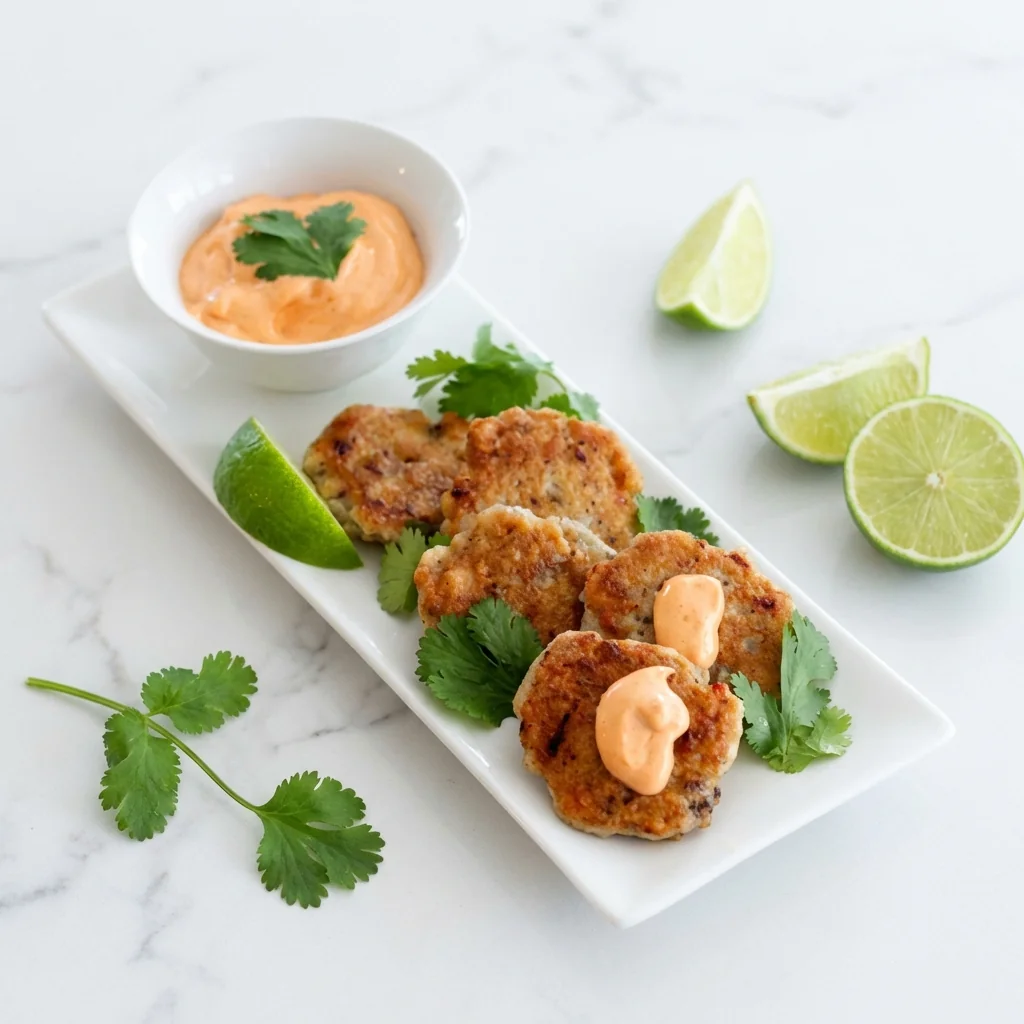
Imagine the vibrant symphony of aromas drifting from a bustling Bangkok street stall: fragrant lemongrass, pungent fish sauce, fiery chilies, and the unmistakable scent of freshly fried, golden delights. This is the magic of Thai Fish Cakes, known locally as Tod Mun Pla – a culinary masterpiece that perfectly encapsulates the bold, balanced, and utterly irresistible flavors of Thailand. From humble beginnings as a coastal delicacy, these savory, crispy bites have become a global sensation, captivating palates far beyond Southeast Asia.
But what if you could recreate that authentic experience right in your own kitchen? That distinct blend of spicy, sweet, sour, and salty, with a tender interior and a perfectly crisp exterior? You absolutely can! This comprehensive guide will take you on a journey to unlock the secrets of traditional Thai fish cakes, transforming your home into a haven for genuine Thai flavors. Get ready to impress your taste buds and transport yourself to the heart of Thailand with every delicious bite.
A Culinary Journey: The Heart of Thai Fish Cakes (Tod Mun Pla)
The story of Tod Mun Pla is deeply interwoven with Thailand's rich culinary heritage. Originating from the coastal regions, where fresh seafood was abundant, these fish cakes were a clever and delicious way to utilize the day's catch. Over centuries, they evolved from a simple fishermen's dish into a beloved street food staple and a cherished appetizer found in homes and restaurants across the nation. The name "Tod Mun Pla" itself offers a clue: "Tod" means fried, "Mun" refers to a rich, fatty texture, and "Pla" means fish, perfectly describing its essence.
What truly sets Thai fish cakes apart is their incredible balance of flavors and textures. Visually, they are a treat, often sporting a golden-brown hue speckled with vibrant green herbs. The aroma alone is intoxicating – a complex perfume of fresh aromatics like lemongrass, kaffir lime leaves, and a hint of fiery chili. When you take that first bite, you're greeted with a satisfying crunch, followed by a tender, succulent interior bursting with a symphony of spicy, sweet, sour, and umami notes. This delightful interplay is a hallmark of authentic Thai cuisine, reflecting centuries of diverse cultural influences that have shaped its unique character.
Traditionally served as an appetizer or a quick snack, Thai fish cakes are incredibly versatile. They can kick off a multi-course Thai meal, be enjoyed on their own as a satisfying bite, or even form the centerpiece of a light lunch when paired with refreshing accompaniments. Their enduring popularity is a testament to their irresistible appeal and the comforting exoticism they bring to any table.
The Essential Ingredients: Crafting Your Authentic Thai Fish Cakes
The magic of authentic Thai fish cakes lies in the quality and freshness of their ingredients. While variations exist, two primary approaches dominate when it comes to the core components, particularly the fish and the flavor paste:
-
The Fresh Flavor Foundation (often with Salmon): This method emphasizes building the flavor paste from scratch using a medley of fresh aromatics.
- Fish: High-quality salmon fillets are a fantastic choice, lending a rich, tender texture and a slightly sweeter flavor. However, other firm white fish like cod, snapper, or basa can also be used.
- Aromatics: A pungent blend of fresh red chilies (Thai bird's eye for heat, or larger red chilies for color and milder spice), fragrant lemongrass, fresh ginger, garlic, and spring onions forms the aromatic backbone. These are often processed into a coarse paste.
- Flavor Enhancers: Fish sauce (for umami and saltiness), a touch of brown sugar (to balance the heat), and sometimes a pinch of cumin contribute to the complex profile.
- Herbs & Zest: Abundant fresh coriander (cilantro) and thinly sliced kaffir lime leaves are added towards the end for their distinctive citrusy, herbaceous notes.
-
The Red Curry Paste Shortcut (often with White Fish): This approach leverages the convenience and depth of flavor found in pre-made red curry paste.
- Fish: Typically uses mild, delicate white fish fillets such as basa, cod, or snapper, allowing the curry paste flavors to shine.
- Curry Paste: A good quality Thai red curry paste is the star here, providing a powerful punch of chilies, galangal, lemongrass, kaffir lime, and other spices.
- Binding & Texture: An egg helps bind the mixture, while a little rice flour contributes to a crispier exterior. Chopped green beans are a traditional addition, offering a pleasant textural contrast, and fresh cilantro and kaffir lime leaves provide that essential aromatic freshness.
- Seasoning: Fish sauce and sugar are used to season and balance the intensity of the curry paste.
Both methods yield delicious results, offering different levels of convenience and nuanced flavor profiles. For a deeper dive into how your fish choice impacts the final taste and texture, explore our insights on Salmon vs. White Fish: Crafting the Perfect Thai Fish Cake Flavor. Regardless of your chosen path, fresh ingredients are paramount to achieving that authentic taste.
Mastering the Method: From Mix to Perfect Fry
Crafting exquisite Thai fish cakes is a straightforward process, but a few key techniques ensure perfect results every time.
Preparing Your Fish Cake Paste
The heart of your fish cakes lies in the paste. While a traditional mortar and pestle will give you the most authentic texture and release of oils, a food processor is a highly effective and time-saving alternative for home cooks. If using a food processor, start by adding the tougher, fibrous aromatics first – think lemongrass, chilies, ginger, and garlic, along with your fish sauce, sugar, salt, and any spices like cumin. Pulse until a coarse, fragrant paste forms.
Next, add your chosen fish fillets. Pulse again, being careful not to overmix. You want the fish to be well incorporated but still have some texture, not a completely smooth purée. Finally, gently fold in your more delicate herbs like fresh coriander and finely shredded kaffir lime leaves. Over-processing these can bruise them and diminish their vibrant flavor. If using the red curry paste method, simply combine your finely chopped fish with the paste, egg, fish sauce, sugar, and then fold in the green beans, cilantro, kaffir lime, and rice flour until everything is smoothly incorporated.
Shaping and Frying for Perfection
Once your mixture is ready, it's time to shape your fish cakes. Aim for uniform, walnut-sized balls or small patties, typically flattened slightly. This ensures even cooking. A great tip is to briefly refrigerate the shaped cakes for about 10-15 minutes. This firms them up, making them easier to handle and less likely to fall apart in the hot oil.
When it comes to frying, heat about an inch of neutral oil (like vegetable or canola oil) in a heavy-bottomed pan over medium-high heat. The oil is ready when a small piece of the fish cake mixture sizzles immediately upon contact. Carefully place the fish cakes into the hot oil, ensuring not to overcrowd the pan, which can lower the oil temperature and lead to soggy cakes. Fry for just a few minutes on each side until they are beautifully golden-brown and cooked through. They cook remarkably fast! For a meal that comes together in a flash, you'll find these fish cakes are an ideal choice, often ready from prep to plate in Whip Up Delicious Thai Fish Cakes in Just 20 Minutes.
Serving Suggestions: Elevating Your Thai Fish Cake Experience
While delicious on their own, Thai fish cakes truly shine when paired with traditional accompaniments. The quintessential pairing is a refreshing cucumber relish, known as Ajaad. This vibrant condiment typically combines finely diced cucumber, sometimes with a few thin slices of red onion or chopped peanuts, in a sweet and sour dressing made from sugar, vinegar, a touch of fish sauce, and often a hint of fresh chili. The cool, crispness of the cucumber and the tangy dressing provide a brilliant contrast to the warm, spicy fish cakes, cleansing the palate with every bite.
Beyond the relish, get creative with your serving choices:
- Vegetable Ribbons: As mentioned in traditional recipes, delicate ribbons of carrot and cucumber, peeled with a vegetable peeler, make a light and elegant side.
- Chili Dipping Sauce: A simple yet potent dipping sauce can be made by combining sugar, lime juice, fish sauce, and finely chopped fresh chili. Adjust quantities to your preferred balance of sweet, sour, salty, and spicy.
- Noodles or Rice: For a more substantial meal, serve your fish cakes alongside a steaming bowl of jasmine rice or a light noodle salad.
- Fresh Salad: A simple green salad with a light vinaigrette can also complement the richness of the fish cakes.
- Pad See Ew or Pad Kra Pao: For a true street food feast, enjoy them as an appetizer before digging into classic Thai stir-fries.
The key is to balance the rich, spicy flavors of the fish cakes with refreshing, cooling elements to create a harmonious and authentic Thai dining experience.
Tips for Thai Fish Cake Success & Beyond
To ensure your homemade Thai fish cakes are consistently spectacular, keep these practical tips in mind:
- Freshness is Key: Always use the freshest fish and herbs available. The vibrant flavors are highly dependent on the quality of your ingredients.
- Don't Overmix: When using a food processor for the fish, pulse just enough to combine. Overmixing can result in a rubbery texture.
- Taste and Adjust: Before frying the whole batch, fry a small test patty. Taste it and adjust the seasoning (fish sauce, sugar, chili) if needed. This is your chance to perfect the flavor profile.
- Oil Temperature: Maintain a consistent medium-high oil temperature. If the oil is too cool, the cakes will absorb too much oil and be greasy. If it's too hot, they'll burn on the outside before cooking through.
- Batch Fry: Avoid overcrowding the pan. Fry in batches to maintain oil temperature and allow even browning.
- Freezing for Convenience: While best enjoyed fresh, Thai fish cakes can be cooked, cooled quickly, covered, and then frozen for later. Defrost them in the refrigerator and reheat gently in a pan or oven. They'll still taste incredibly good, making them a fantastic make-ahead option for busy weeknights.
- Spice Level Customization: Adjust the amount of fresh chilies or red curry paste to suit your preference. For less heat, remove the seeds from the chilies or use milder varieties.
With these tips, you're well-equipped to create consistently delicious Thai fish cakes that rival your favorite street food stall.
There's an undeniable joy in recreating beloved street food at home, and Thai fish cakes offer a perfect blend of excitement and accessibility. From the enticing aroma that fills your kitchen to the satisfying crunch and explosion of flavors with every bite, these authentic Tod Mun Pla are a culinary adventure waiting to happen. Embrace the vibrant ingredients, master the simple techniques, and soon you'll be serving up a taste of Thailand that will impress family and friends alike. So, gather your ingredients, fire up your pan, and unlock the delicious secrets of authentic Thai fish cakes!
